
Pi AcademyPi AcademyPIOTICON · Coaching & Development
PROGRAM 0 · THE FOUNDATION COURSE

How Mega Projects Get Delivered

The real-world foundation in planning, controlling and delivering big projects — taught by the people who do it.

Foundation · open entry2-day live, coach-ledAustralia & New Zealand
Register interestSee the two-day plan
Open entry — no background needed
The entry point to Pi Academy
Earns a PIOTICON Foundation Certificate
Australia & New Zealand
The course

See the whole project — from idea to running asset.

How Mega Projects Get Delivered is the Foundation course of the PIOTICON Pi Academy: two live, coach-led days that show the full life of a mega project at an awareness level. It sits in front of the nine programs and needs no background to start.

It is not a controls course in disguise, and it won’t teach you to produce project documents. It teaches you to see the whole picture, understand how these projects are run, and read and question a basic project report — and that is exactly what the certificate confirms.

CourseHow Mega Projects Get Delivered
LevelFoundation · open entry
Format2-day live, in person, coach-led
RegionAustralia & New Zealand
CertificatePIOTICON Foundation Certificate in Mega Project Delivery
AssessmentShort Candidate Assessment, coach-reviewed
Who it's for

Built for anyone curious about how big projects work.

No experience or qualification is needed to start. Whether you’re changing careers, just out of study, or already on site, this is the entry point to understanding how mega projects are really run — whichever side you sit on.
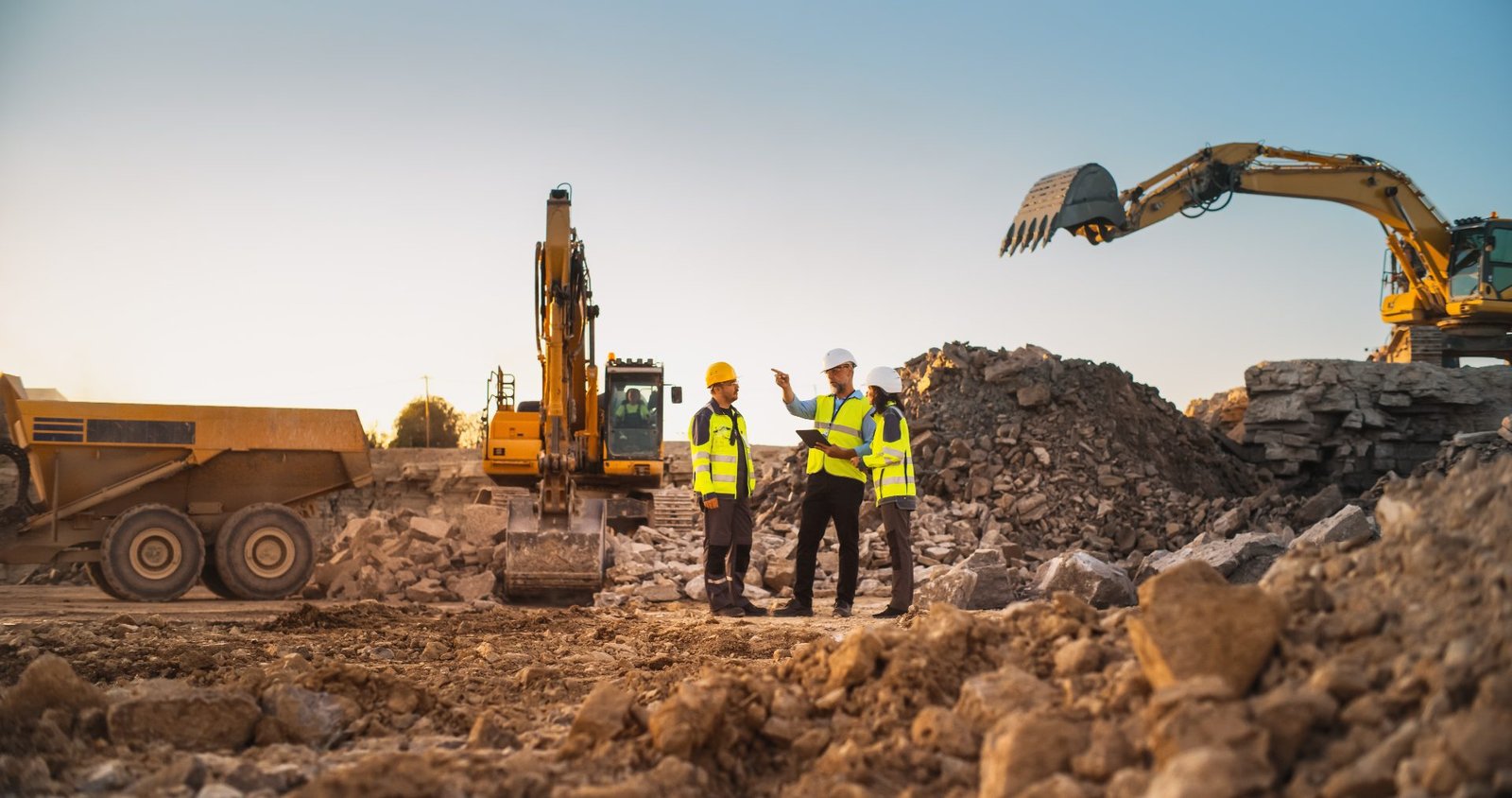

See the whole project, not just your corner — from all five sides.
Career changers
Moving into project delivery and wanting the full picture before you specialise.
Graduates & students
Starting out and deciding where in project delivery you actually fit.
Already on site
Working on a project and wanting to see beyond your own corner of it.
Owners & sponsors
Commissioning work and wanting to understand how it really gets delivered.
Support & commercial teams
Around projects — finance, procurement, admin — who need the whole picture.
The simply curious
Anyone who wants to understand how the biggest things our economies build get done.
No prerequisites. Every term is explained the first time it appears.
What you'll be able to do

Seven things you’ll be able to do.

Every outcome is observable — something the coach can see in the room and the Candidate Assessment can check. Not a topic you’ll have heard about, but a thing you can do.

Describe the mega-project landscape in Australia and New Zealand, and explain why these projects are so hard to deliver.
See a mega project from all five sides — the asset owner, designer, construction contractor, supplier and maintaining contractor.
Explain what good looks like: how a successful project is set up, governed and controlled from the start.
Explain how control works across scope, time, cost and risk as one connected system.
Read a basic project report and ask the right questions of it.
Spot the common reasons big projects go wrong, and explain why success is usually decided early.
See where you fit on the four capability levels, and choose a sensible next step.
The spine of the course

Five sides, one asset — the thread through every module.

A mega project is not one team. It is five different organisations, each with its own money, its own risk and its own definition of a good day. Every module is taught through these five parties, so you always see who is affected and why.

01Asset OwnerA working asset, on budget, that earns its return. Pays for it and lives with the result.
02DesignerA design that is safe, works, and can actually be built. The engineers and architects.
03Construction ContractorTo build it on time and at the agreed price, and be paid fairly for changes.
04SupplierTo deliver materials and equipment to order, on time, and get paid.
05Operator / MaintainerAn asset that is cheap and easy to run and keep working for decades after handover.
Where they clash
The five don’t naturally agree. Each position below is reasonable from both ends — good delivery manages the gap, it doesn’t pretend the gap isn’t there.
The owner wants price certainty early, while the designer wants time to mature the design.
The owner wants freedom to change things, while the contractor wants a frozen scope so the price holds.
The designer builds for opening day, while the maintainer needs an asset cheap to run for thirty years.
The owner wants the fastest programme, while the supplier needs lead time for long-order equipment.
The two-day plan

Eight modules across two days.

The arc moves from setting the scene, to what good looks like, to delivery reality — taught in a show, practise, discuss rhythm with real regional examples. Day 1 sets up the project; Day 2 runs and reads it.

Tap any module to expand its detail
01DAY 1 · ~75 MINMega Projects in Australia & New ZealandScene-setting~75 min

The scale of the regional pipeline, a plain test for what actually makes a project “mega”, and why these projects are so hard to deliver. The through-line: success or failure is mostly decided early — the build just reveals which one you set up.

Framework
1.A — What makes a project mega
Key point
Success or failure is decided early.
02DAY 1 · ~75 MINThe Five SidesThe spine~75 min

The five parties on every mega project — owner, designer, contractor, supplier and maintainer — what each one wants, and where their goals line up or clash. From here on, every module is taught through the five sides.

Framework
2.A / 2.B — The five sides & where they clash
Key point
Five sides, one asset, five definitions of success.
03DAY 1 · ~90 MINWhy Big Projects Go WrongThe failure map~90 min

Failure is patterned, not random. PIOTICON’s Eight Clusters of Failure, and the idea that changes how you think about all of them: some failure you can control directly, some you can only influence, and some you can only buffer against.

Framework
3.A / 3.B — Eight Clusters · control, influence or buffer
Key point
Failure is patterned, not bad luck.
04DAY 1 · ~75 MINWhat Good Looks Like: Setting Up for SuccessThe front end~75 min

The unglamorous early decisions that decide the outcome — defined scope, mature enough design, approvals lined up, work packaged well, clear governance, and controls running before the first sod is turned. Taught at an awareness level, not how-to.

Framework
4.A — The six setup checks
Key point
Good setup is boring on purpose.
05DAY 2 · ~80 MINHow Control WorksThe connected system~80 min

Scope, time, cost and risk as one connected system, not four separate jobs — change one and you change all four. And the shift that PIOTICON teaches: moving from backward-looking, reactive reporting to forward-looking, decision-grade control.

Framework
5.A / 5.B — Four dimensions · reactive vs decision-grade
Key point
A plan that updates only one dimension is a plan that lies.
06DAY 2 · ~80 MINReading the NumbersThe reading skill~80 min

Read a basic project report and ask good questions of it. What “percent complete” really measures, why most slippage happens at the interfaces where parties meet, and how to ask whose news a number is.

Framework
6.A — Four questions to ask any report
Key point
A report hides as much as it shows.
07DAY 2 · ~50 MINFinding Your PathThe map~50 min

The four capability levels, where you sit today, and the routes from here. Foundation is the floor, not the ceiling — and your path depends on which of the five sides pulls at you.

Framework
7.A — The four capability levels
Key point
Foundation is the floor, not the ceiling.
08DAY 2 · ~60 MINYour AssessmentThe certificate~60 min

The Candidate Assessment — a short, scenario-based check of reasoning, not memory. It’s the same assessment used across the Academy to place people. The coach reviews your result, and on a pass you earn the Foundation Certificate.

Framework
Section 7 — The Candidate Assessment
Key point
It checks reasoning, not memory.
How it's structured

Two days, one connected arc.

Each module follows the same rhythm: the coach shows an idea with a real example, the group works a short exercise, then a discussion locks it in. No long theory, no jargon on the surface.

The two days
Day 1
Mega projects, and what good looks like
Welcome — goals and ground rules
Module 1 — Mega projects in Australia & New Zealand
Module 2 — The five sides
Module 3 — Why big projects go wrong
Module 4 — What good looks like: setting up for success
Close — small-group exercise and reflection
Day 2
Delivery reality, and finding your path
Recap — warm-up on reading a project fact
Module 5 — How control works
Module 6 — Reading the numbers
Module 7 — Finding your path
Module 8 — Your assessment
Close — routing conversation and certificate
Where it places you — four capability levels
FoundationThis course
You understand the work
Follow it, read it, and ask good questions of it.
IntermediateNext
You can produce the work
Do it yourself for routine cases.
AdvancedLater
You can integrate & judge
Handle complex cases, connect areas, decide.
ExpertBeyond
You can design & coach
Set the approach, assure others, develop people.
How it's delivered
2-day live, in personCoach-led across Australia and New Zealand, taught in a show, practise, discuss rhythm.
One lead coach + guestsOne coach owns continuity and the assessment; one or two local practitioners bring real delivery stories.
Real examples, simple exercisesAnonymised composites from rail, energy, water and renewables — the whole project, not just one corner.
Candidate Assessment & certificateA short scenario assessment on Day 2, coach-reviewed, earning the Foundation Certificate.
2
Live, coach-led days
8
Modules across one connected arc
5
Sides on every mega project, one shared asset
4
Capability levels, Foundation to Expert
Questions

What people ask first.

Who is this course for?
Anyone curious about how big projects work — career changers, graduates, and people already on site who want to see the full picture, as well as owners, sponsors and the commercial and support teams around projects. No experience or qualification is needed to start.
Do I need any experience or background?
No. It is open entry with no prerequisites. Every term is explained the first time it appears, lifecycle content is taught at an awareness level, and there is a glossary for the self-directed reader.
How is the course delivered?
Two live, in-person days, led by one coach who owns continuity and runs the assessment, with one or two local guest practitioners bringing firsthand stories from major programs in rail, oil and gas, energy or renewables.
Does it teach me to do project controls?
Not at this level. It is not a controls course in disguise and won’t teach you to produce project documents. It teaches you to see the whole picture, understand how projects are run, and read and question a basic report. Producing deliverables comes at the next level.
Is there an exam?
Yes — a short Candidate Assessment on Day 2. It is scenario-based and checks reasoning, not memory, and it is the same assessment used across the Academy to place people. The coach reviews each result with you.
What do I earn?
On passing the assessment, the PIOTICON Foundation Certificate in Mega Project Delivery. It confirms you understand how mega projects are run, from all five sides and across the project life, and that you can read and question a project report.
What happens after I finish?
The same result places you on the four capability levels and points you to a sensible next course, if you want to keep going. Going further is your choice — the course stands on its own.
Pi Academy

Ready to see how mega projects really get delivered?

Register your interest and we’ll be in touch with pilot cohort dates, delivery details, and how to secure a place.

Pilot cohorts are market-testing in Australia now — registering your interest reserves a place in the next cohort.